
Keeping Older Adults Safe at Home: A Full Security Guide
Home should feel comfortable and safe – especially as we get older. The best security setup for an elderly person is simple to use, well-lit, and reliable in an emergency. This guide focuses on practical upgrades that reduce risk without making daily life harder.
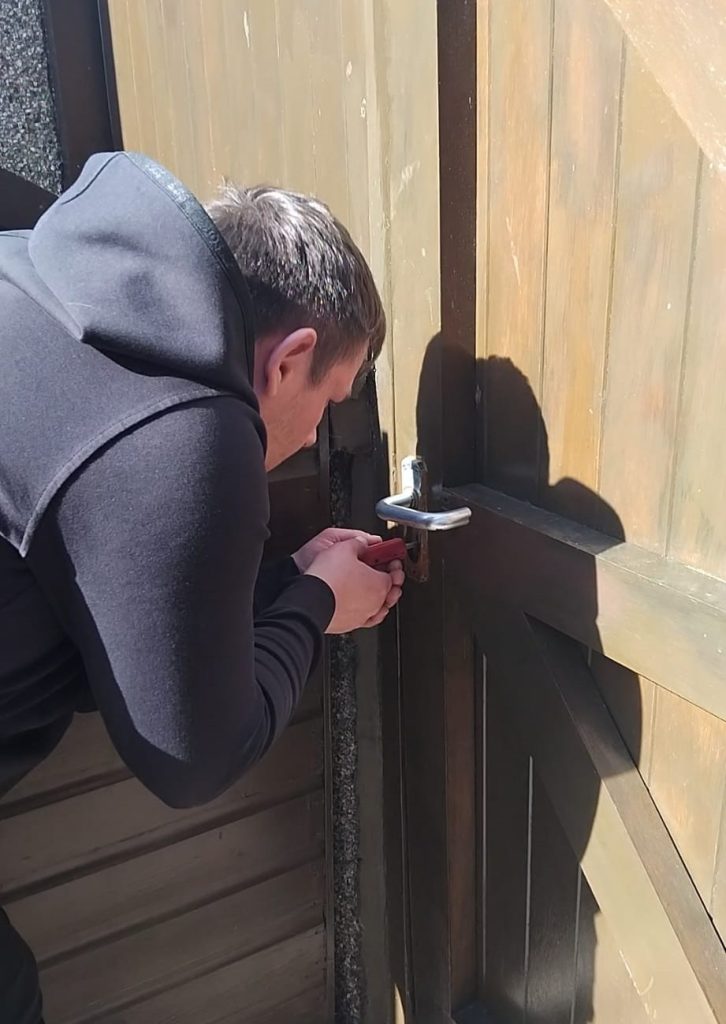
Start with the basics: make the front and back doors easy to lock, easy to unlock, and hard to force. If keys are difficult to handle, consider a keypad or smart lock so entry is painless and consistent. For traditional locks, choose smooth-turn deadbolts and lever handles rather than round knobs.
Improve visibility and deterrence. Motion-activated lighting at entrances and along paths makes it harder for someone to approach unseen. Trim hedges near doors and windows, and keep house numbers visible so emergency services can find the property quickly.
Build safe habits. A simple routine (doors locked at the same time each evening, keys stored in one place) reduces mistakes. To handle unexpected visitors, a door viewer (peephole) or video doorbell helps you verify who is there without opening the door.
Plan for emergencies. Make sure at least one trusted person can access the home if needed – for example, a managed spare key, a properly installed key safe, or a shared keypad code. Any option should balance privacy and safety.
Key tips:
- Use lever handles and a smooth deadbolt to reduce grip strain.
- Consider keypad or smart locks to avoid fumbling with keys.
- Add motion lighting at all entry points and along walkways.
- Use a video doorbell or peephole to screen visitors safely.
- Rekey locks after moving in, losing a key, or changing caregivers.
- Check window latches and add simple restrictors where appropriate.
Quick checklist:
- Doors lock smoothly and align correctly
- Outdoor lights work and activate reliably
- Windows close fully and latches engage
- Emergency contact plan is written down
- Safe backup access is set up for a trusted person